
You work incredibly hard. The dining room is full on weekends, revenue is coming in, but at the end of the month less is left over than you'd like. This feeling is familiar to many hospitality operators. According to Dutch hospitality benchmark figures, such as the horeca kengetallen published by wholesaler Sligro, the average restaurant profit margin is just 3 to 9 percent of revenue, with full-service restaurants at the bottom of that range (3 to 5 percent). Small deviations in the cost structure have a direct and major impact on what's left at the bottom line.
Cause 1: Your food cost is too high
Food cost, what you spend on ingredients relative to your revenue, should be between 25 and 35 percent for most restaurants. If it rises toward 40 percent or higher, it eats into your margin. Waste, buying without calculation, or menus where dishes are underpriced are the most common causes.
25–35%
is the healthy food cost for a restaurant. Above 38%? Your purchasing and menu pricing policy needs immediate attention. Every percentage point above the benchmark costs you €300/month at €30k monthly revenue.
Cause 2: Labour costs running out of control
Labour costs are the biggest expense after food cost in hospitality: an average of 28 to 35 percent of revenue. The problem is that many hospitality operators schedule staff based on habit, not based on expected revenue per shift. Friday evening is always busy, but exactly how busy? And is that extra team member really needed for a lunch service of 40 covers?
Cause 3: Waste and shrinkage
Food waste is a silent profit killer. Fresh ingredients not used before the expiry date, over-portioning, or preparations that don't get ordered. It all adds up. Restaurants that deploy smart inventory management cut their food waste by an average of 30 to 40 percent. Since waste typically runs at several percent of your purchasing, trimming it that sharply puts thousands of euros a year straight back into your margin.
Cause 4: Average spend per cover too low
The average cover value, how much a guest spends per visit, is a KPI that many hospitality operators don't actively measure. Yet it's one of the most direct ways to increase profit without needing more tables or guests. An increase in average spend of €3 at 150 covers per day is €450 more revenue per day, over €160,000 on an annual basis.
The core problem: you only see it after the fact
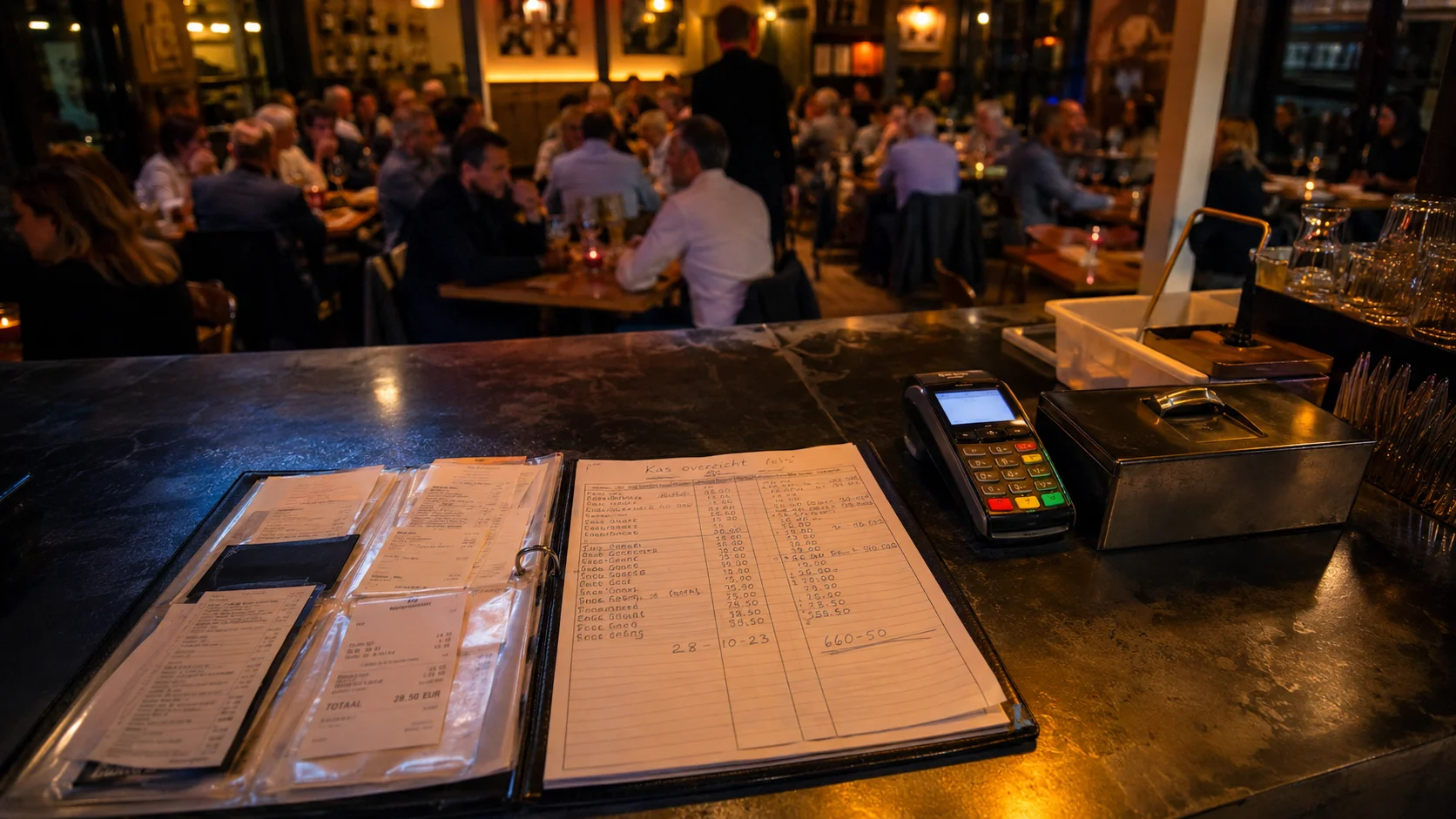
The common thread through all four causes is the same: most hospitality operators only find out at the end of the month how things stand. By then it's too late to course-correct. Last week's food cost can't be lowered anymore. Last Friday's rota is locked in. Real-time insight fundamentally changes that.
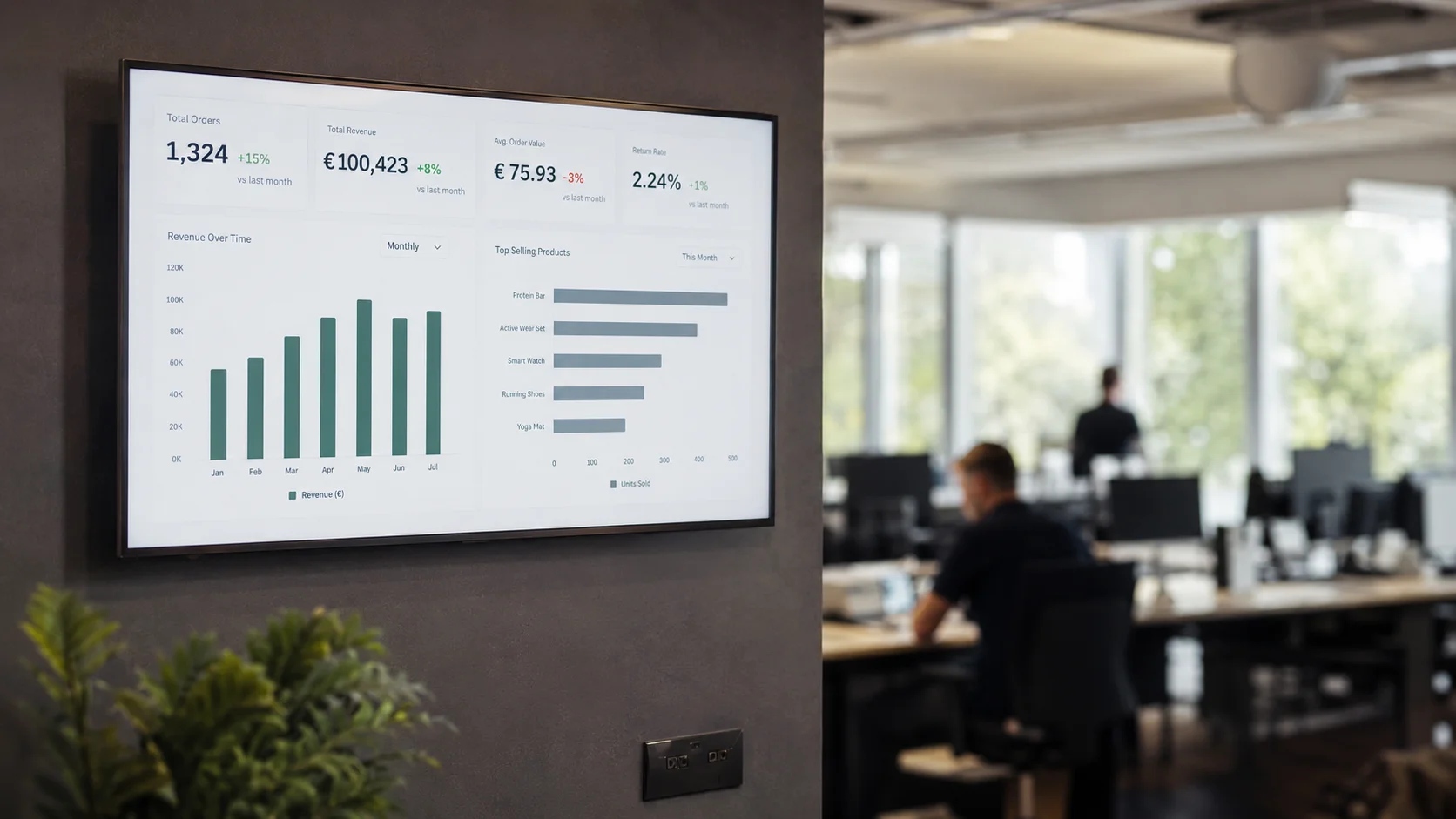
Ralect connects directly to your point-of-sale system and shows you daily revenue, average spend per cover, occupancy rate and cost comparisons. So you can adjust during the month, not after. Schedule a free call and discover what your hospitality dashboard would contain.