Too much stock ties up capital and storage space. Too little stock costs customers and revenue. The perfect balance is hard to find when you manage inventory in Excel or only through your ERP, without real-time insight into what's actually there. According to inventory-distortion research (IHL Group), stock that is mismanaged, sitting idle, expired, or out of stock when a customer wants it, costs businesses an estimated 5 to 15 percent of revenue.
Why inventory management is such a pain point
The problem isn't that there's no data. Your ERP or point-of-sale system registers every movement. The problem is that this data isn't readable without manually running a report. By the time you see that a product has hit a critical level, you've already missed revenue or you're already dealing with an expensive emergency order from a supplier.
The real costs of poor inventory management
- Overstock: capital tied up in products that don't sell quickly
- Shrinkage: products that expire or get damaged while in stock
- Emergency orders: higher purchase costs due to unexpected shortages
- Lost revenue: customers leaving because a product isn't available
- Storage costs: space taken up by slow-moving items
Four questions that always matter when choosing software
- Does it connect to my existing ERP or point-of-sale system?
- Does it give real-time insight or do I still need to run reports?
- Can it automatically trigger reorders at a minimum stock level?
- Is it scalable as my business grows?
Solutions by business size
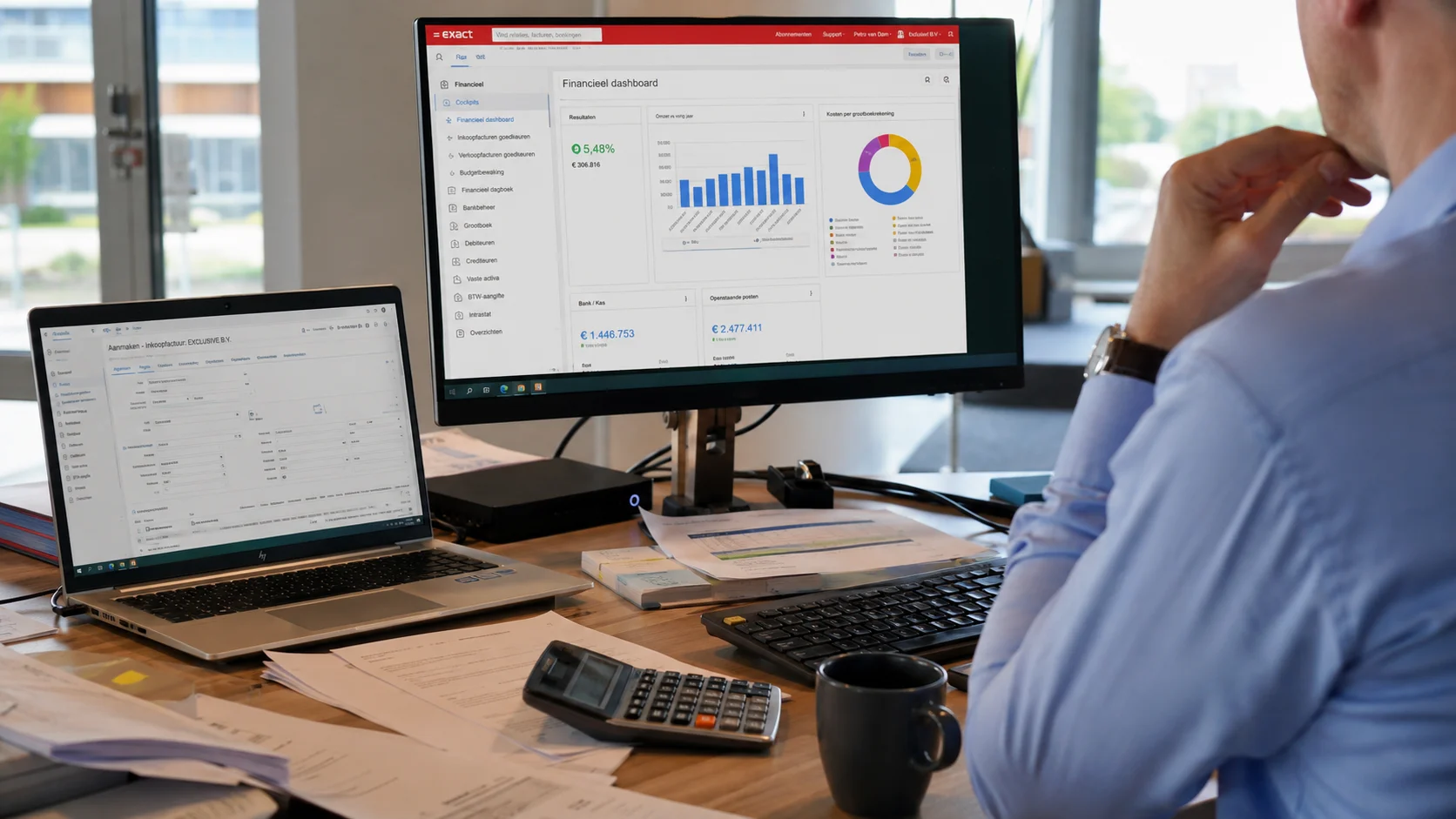
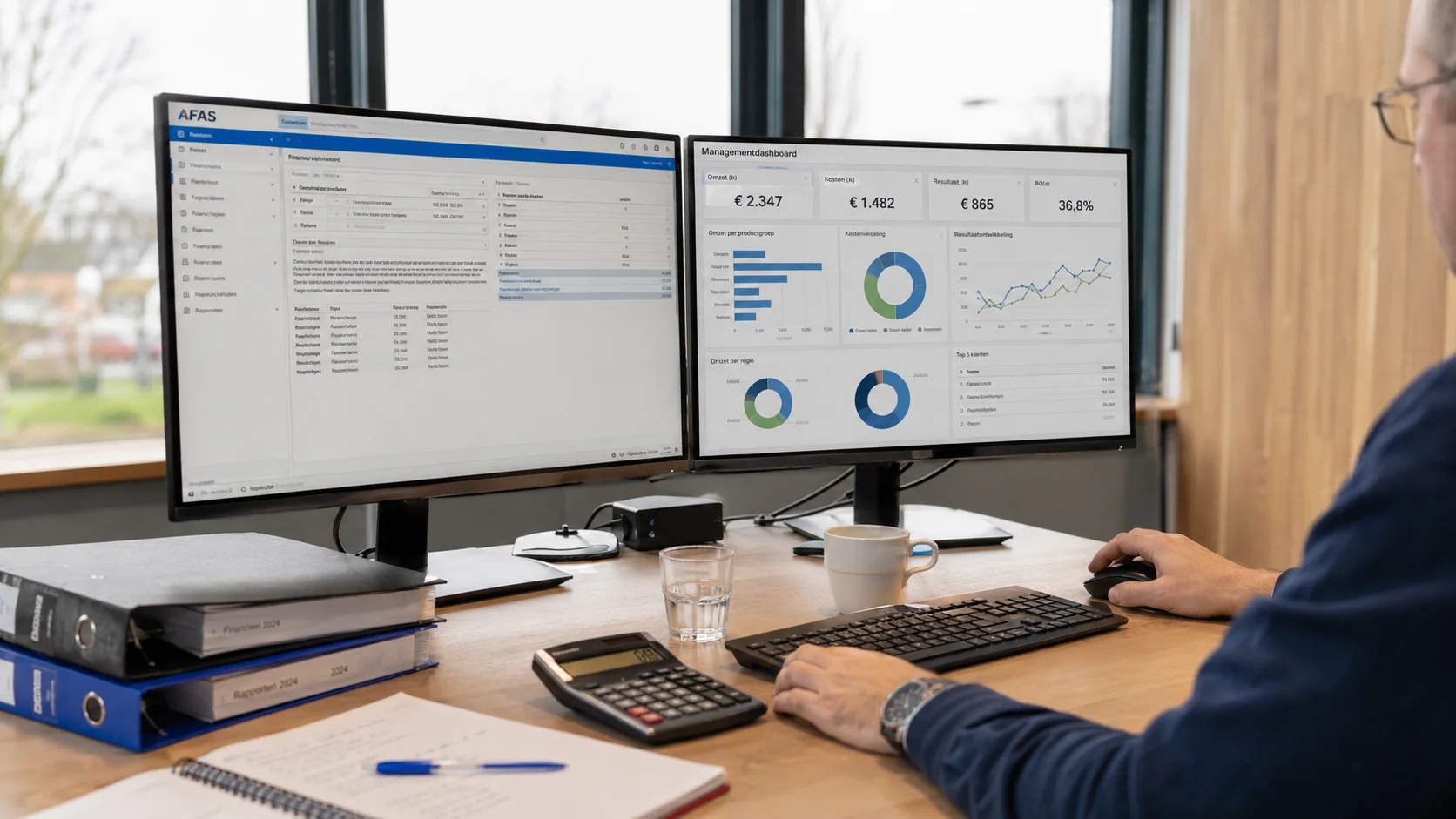
For smaller businesses (up to 500 SKUs), solutions such as inventory modules within Exact Online, AFAS or Odoo are easily accessible. For larger operations with multiple warehouse locations or complex logistics, you'd look at more specialized WMS software. The right choice depends on how many SKUs you manage, how many locations you operate and how complex your picking and shipping process is.
Integration: the difference between having data and using data
Most inventory management software stores data. But storing data is not the same as providing insight. The real difference lies in connecting your inventory management, your ERP, your sales figures and your purchasing administration. When that data comes together in one overview, you can start making real predictions and act proactively.
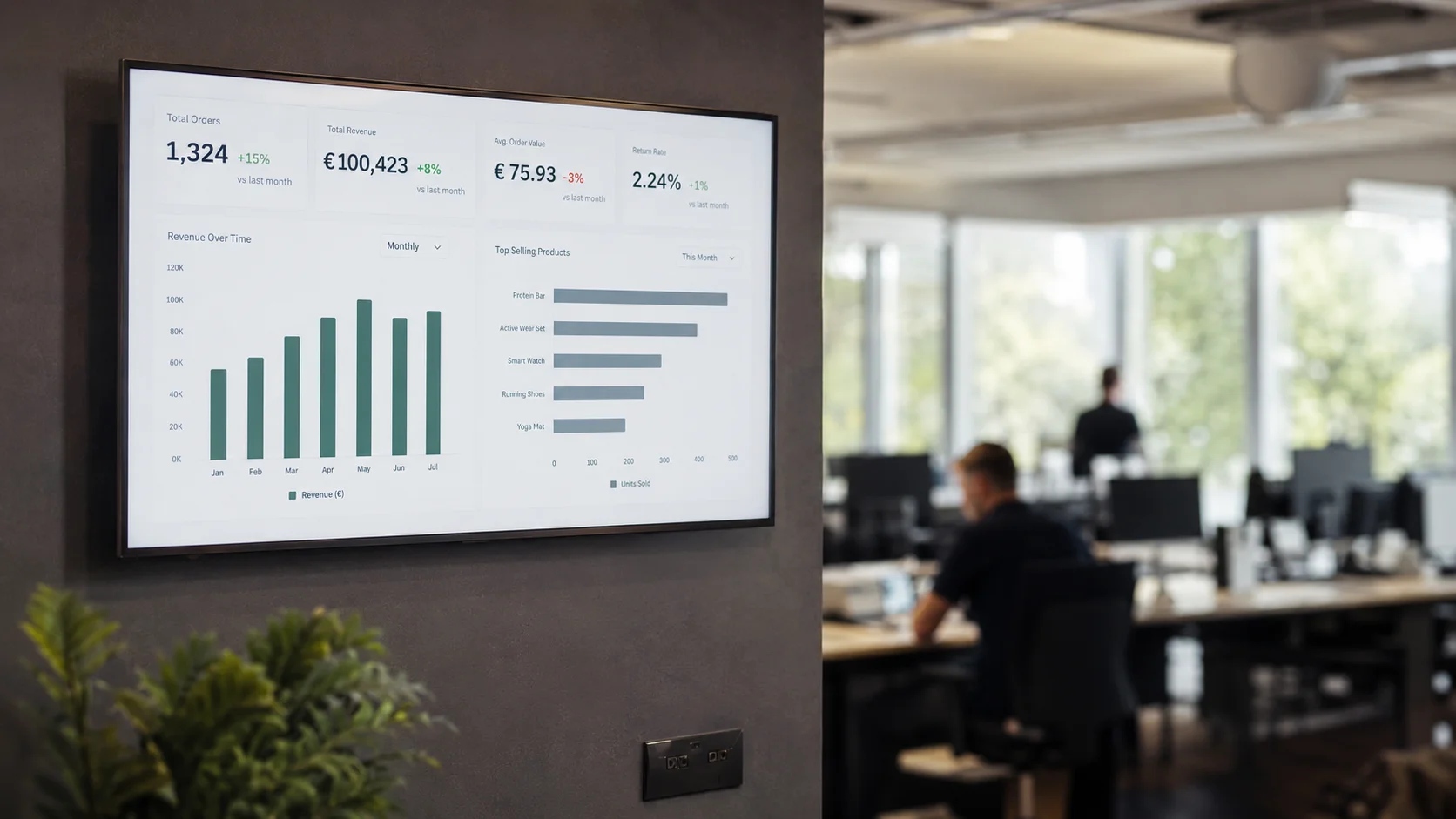
Ralect connects to most common ERP and WMS systems and shows inventory insights in real time alongside your other KPIs such as revenue, order flow and purchasing. So at a glance you can see whether your stock and your business are aligned.